
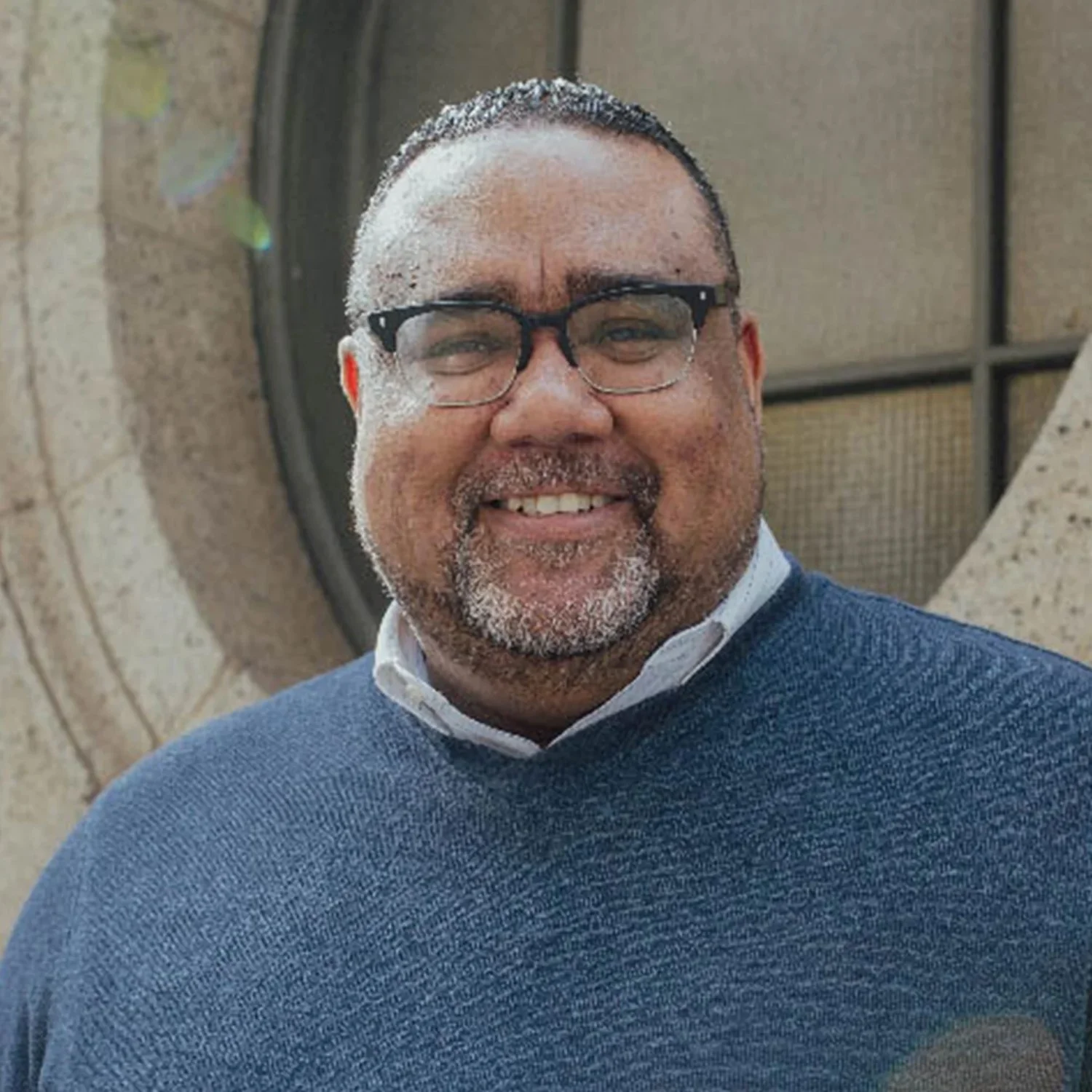
Rev. Dr. Michael Carrion
Meet TRAINER
Rev. Dr. Michael Carrion
Senior Pastor, church planter, leader
About Michael
Rev. Michael Carrion is a seasoned pastor, church planter, and movement leader with more than 25 years of experience serving in urban ministry. He is the founding pastor—and now Bishop—of Promised Land Covenant Church, a missional church rooted in the North and South Bronx, and he currently serves as Vice President of Church Planting and Leadership Development at Redeemer City to City in New York City. In this role, Michael recruits, trains, and coaches church planters across the Bronx, Brooklyn, Staten Island, and Queens.
Michael’s ministry uniquely integrates gospel-centered church planting, leadership development, education, and social justice. He is the founding chairman and superintendent of the Bronx Academy of Promise K–8 Charter School and has helped launch national social justice movements, earning recognition from the U.S. government for his work in urban communities throughout New York City. He also serves as regional church planting coach for the Evangelical Covenant Church, sits on the board of the National Latino Evangelical Coalition, and currently advises the Mayor of New York City through the Faith Sector Advisory Council.
Michael is deeply convinced that the future of church planting depends on genuine collaboration—across cultures, denominations, and neighborhoods—entered with humility and dependence on the Holy Spirit. He has been married to his wife, Elizabeth, for over 30 years, and together they have five adult children and three grandchildren.
Recommended for You
From This Trainer

Discover how everyday moments, bold dependence on Jesus, and a heart of love can help us become more sensitive to the Spirit and more faithful in making disciples.

Hugh Halter argues for a different approach to church planting: instead of building churches for the sake of the church, planters should fall in love with their cities, uncover their brokenness, and creatively respond through kingdom-centered ecosystems of businesses, homes, justice, and community.
Pride—not lack of ability—is the consistent reason leaders fall, both in Scripture and in ministry today, often disguised as self-reliance, ambition, or even “doing more for God.” The deeper danger is a slow drift from dependence on God to confidence in ourselves, forgetting that we—and our ministries—are always fragile and fully dependent on Him.

Go… But Wait reframes the starting point of mission: not activity, but surrender; not pressure, but Spirit-empowered transformation. Because when we begin by waiting on God, our going becomes sustainable, effective, and rooted in the gospel—not just driven by urgency.

If Christ is truly risen, our lives should reflect it. This article explores what it means to live with “gospel abnormality” — visibly different in our choices, priorities, and daily rhythms — not withdrawn from the world, but faithfully present within it.

What if the most strategic thing you could do for God’s mission… is pray?
Before the plans, the conversations, the courage—there is dependence. In this powerful adaptation from A Field Guide for Everyday Mission, we’re reminded that mission doesn’t begin with better methods, but with deeper surrender. Drawing on Andrew Murray’s call to humility and Jesus’ invitation to abide in the Vine, this article outlines five transformative prayers that shape a life on mission.

What if Christian community wasn’t built on preference, but on promise? This reflection explores gospel partnership as shared lives, shared mission, and deep joy in what God is already doing.
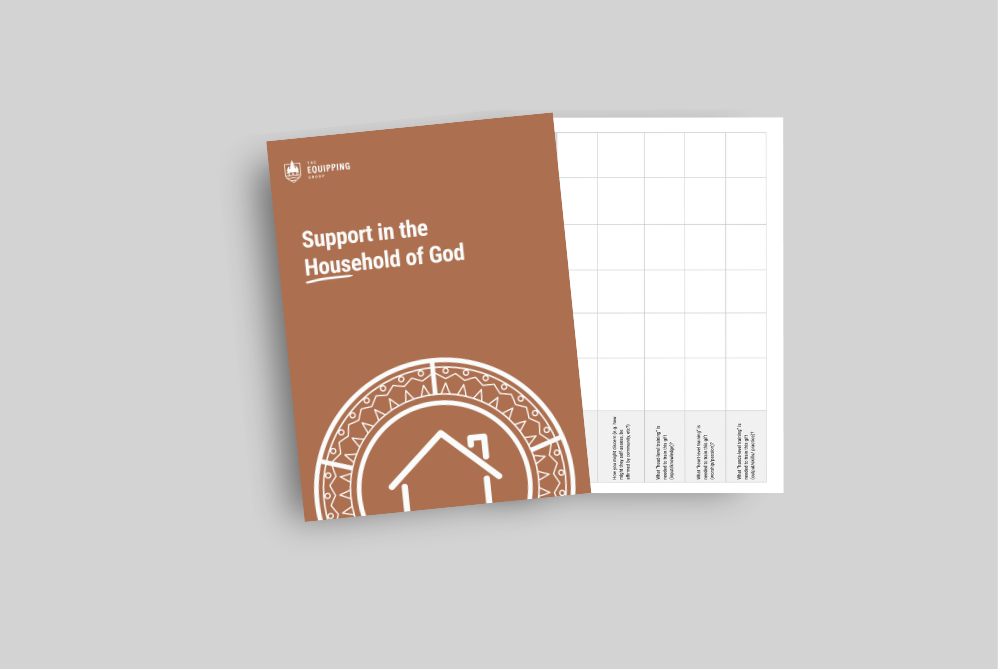
This exercise asks you to reflect on ways that parents and others support children in a literal household, especially as they’re sent out of a household (e.g. when they leave for college, military, or career). We then ask you to consider how those principles can inform ways leaders of a sending church or group can support people being sent out for the sake of God’s mission. If you have not had the experience of a child leaving the household yet, or simply to get more ideas, consider doing this exercise as a team!
As you consider your church’s or group’s readiness to send people into a new mission field, church, or group, here are a few questions to consider as you prayerfully plan for the impact.
The primary goal of an ARCI chart, also known as a responsibility assignment matrix, is to clearly define and communicate roles and responsibilities within ministry areas or processes, for the sake of your church’s staff and volunteer clarity. It helps ensure everyone understands their specific tasks, who is accountable for them, who executes, and who needs to be consulted or informed.
A sending culture must start with a sending vision. A sending vision flows from your church’s view of discipleship. The exercise below can help you assess your current discipleship culture, and take tangible nexts step toward a culture of sending.

A sending vision flows from your church’s view of discipleship. Many churches, groups, and organizations say they want to equip others to participate in discipleship and disciple-making. But to make that aspiration a reality, a culture must be created views sending as a normal part of every Christian’s discipleship. The exercise below can help you assess your current discipleship vision, and take tangible nexts step toward a vision for sending.
In this exercise, you (and your team) will consider the metrics you currently measure — overtly or implied. You’ll celebrate God’s work in each of those things you currently measure in your specific church. Then you’ll consider additional metrics to help your church prioritize sending, by turning their collective eyes outward toward the mission field and broader kingdom beyond your specific church.
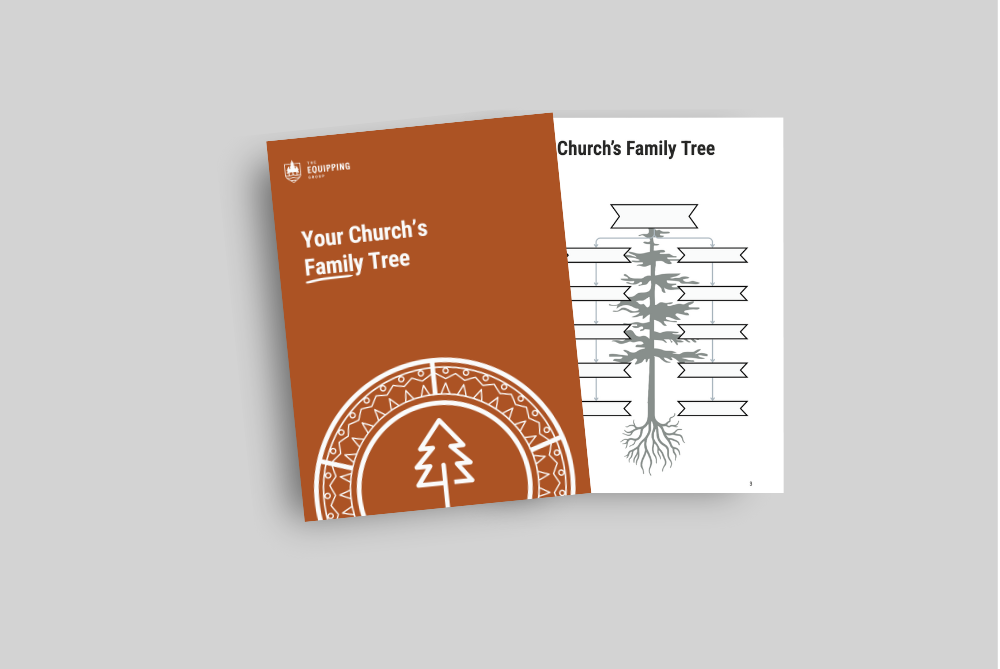
Nearly every church is planted by another church that was planted by another church, which was in turn started by still another. By accident or intentionality, your church likely came out of another church (or churches, or ministries), which came out of still another church or ministry, etc. Use this sheet to trace your church's history as far back as you can.

Learn how to create a compelling youth ministry vision statement in six practical steps. This guide from Kara Powell explains what a vision statement is (a shared story of future hope rooted in your ministry’s “why”) and walks through a collaborative process—brainstorming, reflection, group synthesis, feedback, drafting, and distilling into a clear, inspiring sentence. With examples and tips on communicating your vision widely, this post helps church leaders craft a purpose-driven vision that guides mission and energizes their team
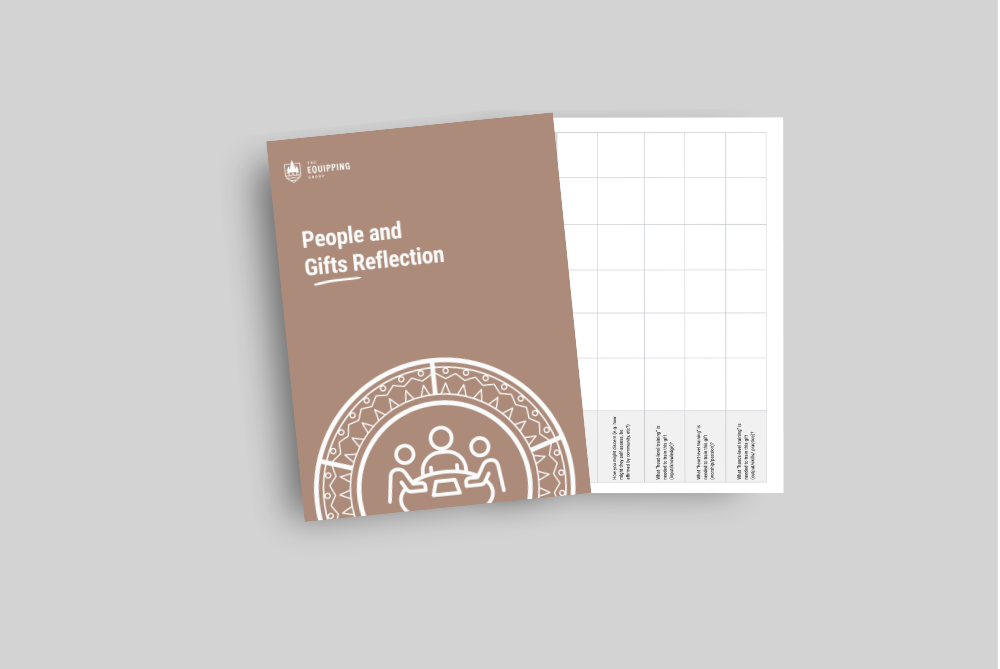
This exercise helps plan a long runway for sending, which involves helping people discover and thrive in their giftings, and “equip[ping] the saints for the work of ministry.”

What does it look like to take kids and teens seriously as members of the church—now, not someday? At Salt+Light, we’ve found that when young people are invited to serve, disciple others, and participate meaningfully in church life, they rise to the occasion. This piece explores our stair-stepped, intergenerational approach to discipling Gen Z and Gen Alpha, why early responsibility matters, and how equipping kids and teens today helps form the leaders the Church will need tomorrow.

Christmas has a way of softening hearts. Todd shares how simple invitations—especially to holiday services—can open surprising doors for long-term spiritual growth.

This fall has felt unusually full—good things layered on top of one another until even the most carefully built rhythms disappeared. As someone who finds rest in planning and routine, the loss of predictability exposed just how much I rely on my calendar for stability. Yet in the chaos, God has been quietly reshaping my trust—meeting me not in well-ordered seasons, but in daily, moment-by-moment provision. Through unexpected grace, small mercies, and interrupted plans, I’m being reminded again of an old but necessary lesson: dependence on God isn’t seasonal—it’s daily.

Why does ministry feel so much easier than discipleship—and what happens when we flip the script?


The Bible displays two primary groups of people that God sends us to, as we live out His mission: those in need and our neighbors.

This exercise invites you to study your neighborhood, city, workplace or community to start to know the ins and outs of your missional sphere.

This exercise invites you to ask what it would look like for your primary calling — your identity in Christ — to show up in your secondary callings — your “station in life” (the various situations that make up your everyday existence: your job or school, your relationships, your neighborhoods, your hobbies, etc.).

This exercise asks you to define a certain area of your church’s vision, then invites you into an honest assessment of what aspects of your culture promote that area of your vision, vs. what aspects of your culture work against it.

A helpful “first step” to take in getting to know others more deeply is intentionally learning each other’s stories. This is true whether you have walked with people for a long while or whether you just formed a new group.
This exercise invites you to look at the things that shape and form you, either in light of or instead of the story God says is most true of you.

The practice of lament is lost in our modern world. Most people will distract or steel themselves rather than enter into a process of lament. Often misunderstood, lament is seen as a synonym for grief or venting anger, and what good does that do? The Bible teaches us a way to lament that leads to hope even amidst suffering. This exercise will help dig into what Scripture has to say about this lost art.

This exercise invites you to reflect on how the gospel might sound like good news in tangible ways, into real life scenarios people face. The “four movements” of the Story of God show us how Jesus gives us a true and better vision for different aspects of peoples’ worldview and common perceptions.