
Ben Connelly

Meet TRAINER
Ben Connelly
Founder & Training Lead, The Equipping Group
About Ben
Ben loves equipping everyday disciples, ministry leaders, and church planters worldwide.
He helps lead Salt+Light Community and Plant Fort Worth in Texas, and serves through The Equipping Group to train and support churches globally. Ben has written and contributed to several books, workbooks, and articles, and has helped lead church planting efforts for various organizations. He’s also taught at both the university and seminary level.
Ben and his wife Jess have three kids and often open their home to short-term foster children.
You can find him on social media @connellyben.
Recommended for You
From This Trainer

Pride—not lack of ability—is the consistent reason leaders fall, both in Scripture and in ministry today, often disguised as self-reliance, ambition, or even “doing more for God.” The deeper danger is a slow drift from dependence on God to confidence in ourselves, forgetting that we—and our ministries—are always fragile and fully dependent on Him.

Go… But Wait reframes the starting point of mission: not activity, but surrender; not pressure, but Spirit-empowered transformation. Because when we begin by waiting on God, our going becomes sustainable, effective, and rooted in the gospel—not just driven by urgency.

If Christ is truly risen, our lives should reflect it. This article explores what it means to live with “gospel abnormality” — visibly different in our choices, priorities, and daily rhythms — not withdrawn from the world, but faithfully present within it.
This exercise asks you to reflect on ways that parents and others support children in a literal household, especially as they’re sent out of a household (e.g. when they leave for college, military, or career). We then ask you to consider how those principles can inform ways leaders of a sending church or group can support people being sent out for the sake of God’s mission. If you have not had the experience of a child leaving the household yet, or simply to get more ideas, consider doing this exercise as a team!
As you consider your church’s or group’s readiness to send people into a new mission field, church, or group, here are a few questions to consider as you prayerfully plan for the impact.
The primary goal of an ARCI chart, also known as a responsibility assignment matrix, is to clearly define and communicate roles and responsibilities within ministry areas or processes, for the sake of your church’s staff and volunteer clarity. It helps ensure everyone understands their specific tasks, who is accountable for them, who executes, and who needs to be consulted or informed.
A sending culture must start with a sending vision. A sending vision flows from your church’s view of discipleship. The exercise below can help you assess your current discipleship culture, and take tangible nexts step toward a culture of sending.
A sending vision flows from your church’s view of discipleship. Many churches, groups, and organizations say they want to equip others to participate in discipleship and disciple-making. But to make that aspiration a reality, a culture must be created views sending as a normal part of every Christian’s discipleship. The exercise below can help you assess your current discipleship vision, and take tangible nexts step toward a vision for sending.
In this exercise, you (and your team) will consider the metrics you currently measure — overtly or implied. You’ll celebrate God’s work in each of those things you currently measure in your specific church. Then you’ll consider additional metrics to help your church prioritize sending, by turning their collective eyes outward toward the mission field and broader kingdom beyond your specific church.
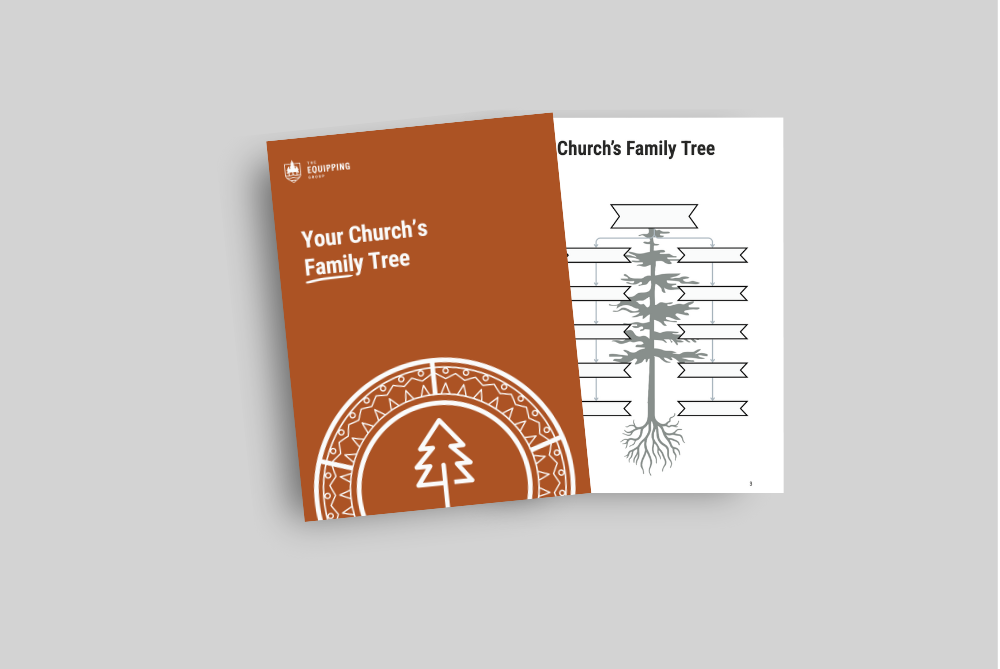
Nearly every church is planted by another church that was planted by another church, which was in turn started by still another. By accident or intentionality, your church likely came out of another church (or churches, or ministries), which came out of still another church or ministry, etc. Use this sheet to trace your church's history as far back as you can.
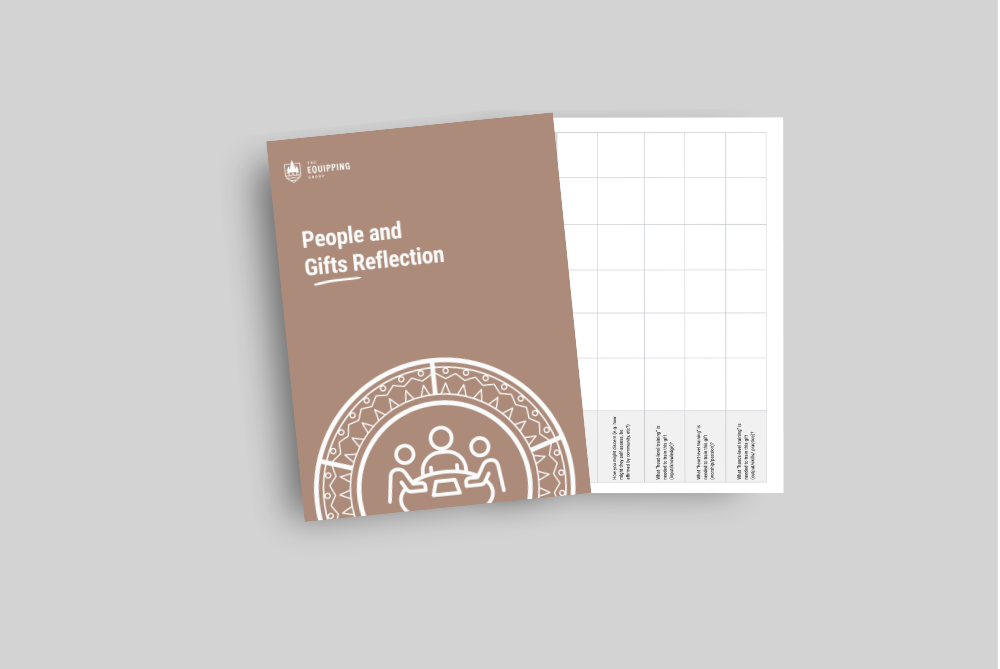
This exercise helps plan a long runway for sending, which involves helping people discover and thrive in their giftings, and “equip[ping] the saints for the work of ministry.”

What does it look like to take kids and teens seriously as members of the church—now, not someday? At Salt+Light, we’ve found that when young people are invited to serve, disciple others, and participate meaningfully in church life, they rise to the occasion. This piece explores our stair-stepped, intergenerational approach to discipling Gen Z and Gen Alpha, why early responsibility matters, and how equipping kids and teens today helps form the leaders the Church will need tomorrow.

This fall has felt unusually full—good things layered on top of one another until even the most carefully built rhythms disappeared. As someone who finds rest in planning and routine, the loss of predictability exposed just how much I rely on my calendar for stability. Yet in the chaos, God has been quietly reshaping my trust—meeting me not in well-ordered seasons, but in daily, moment-by-moment provision. Through unexpected grace, small mercies, and interrupted plans, I’m being reminded again of an old but necessary lesson: dependence on God isn’t seasonal—it’s daily.


The Bible displays two primary groups of people that God sends us to, as we live out His mission: those in need and our neighbors.

This exercise invites you to study your neighborhood, city, workplace or community to start to know the ins and outs of your missional sphere.

This exercise invites you to ask what it would look like for your primary calling — your identity in Christ — to show up in your secondary callings — your “station in life” (the various situations that make up your everyday existence: your job or school, your relationships, your neighborhoods, your hobbies, etc.).

This exercise asks you to define a certain area of your church’s vision, then invites you into an honest assessment of what aspects of your culture promote that area of your vision, vs. what aspects of your culture work against it.

A helpful “first step” to take in getting to know others more deeply is intentionally learning each other’s stories. This is true whether you have walked with people for a long while or whether you just formed a new group.
This exercise invites you to look at the things that shape and form you, either in light of or instead of the story God says is most true of you.

This exercise invites you to reflect on how the gospel might sound like good news in tangible ways, into real life scenarios people face. The “four movements” of the Story of God show us how Jesus gives us a true and better vision for different aspects of peoples’ worldview and common perceptions.

It can be difficult to define a shared mission — but such definition is often less about creating something brand new, and more about discerning and discovering what God is already doing among your community, together.

This exercise is provided to help make the connection from God’s commands to our daily lives.

This exercise asks you to define a certain area of your church’s vision, then invites you into an honest assessment of what aspects of your culture promote that area of your vision, vs. what aspects of your culture work against it.

This exercise will help small groups of people walk through what lies we’re believing and how the good news of Jesus will bring greater peace, joy, and freedom into our lives.

This exercise invites you into God’s one true story, which he tells in the Bible and our lives. Part 1 helps us see the story in the Bible and in our lives. Part 2 helps us remember the story's truths in times of of disbelief and temptation.

The whole Bible tells the one overarching meta-story of God. Each story, command, and passage in the Bible also tell God’s story, over and over in “micro-” ways. Think through some micro stories from the Bible and how they reflect the various parts of the story of God.

Work through the theological concept of “types” by discovering what is true about the original biblical element or character and then learn how Jesus is the true and better version.

In nearly every realm of ministry & mission, it is easy to rely on our ways: our strength, our plans, our strategy. This exercise is designed to help you take a tangible step in fighting that temptation and reversing that trend to dependence on God.
